
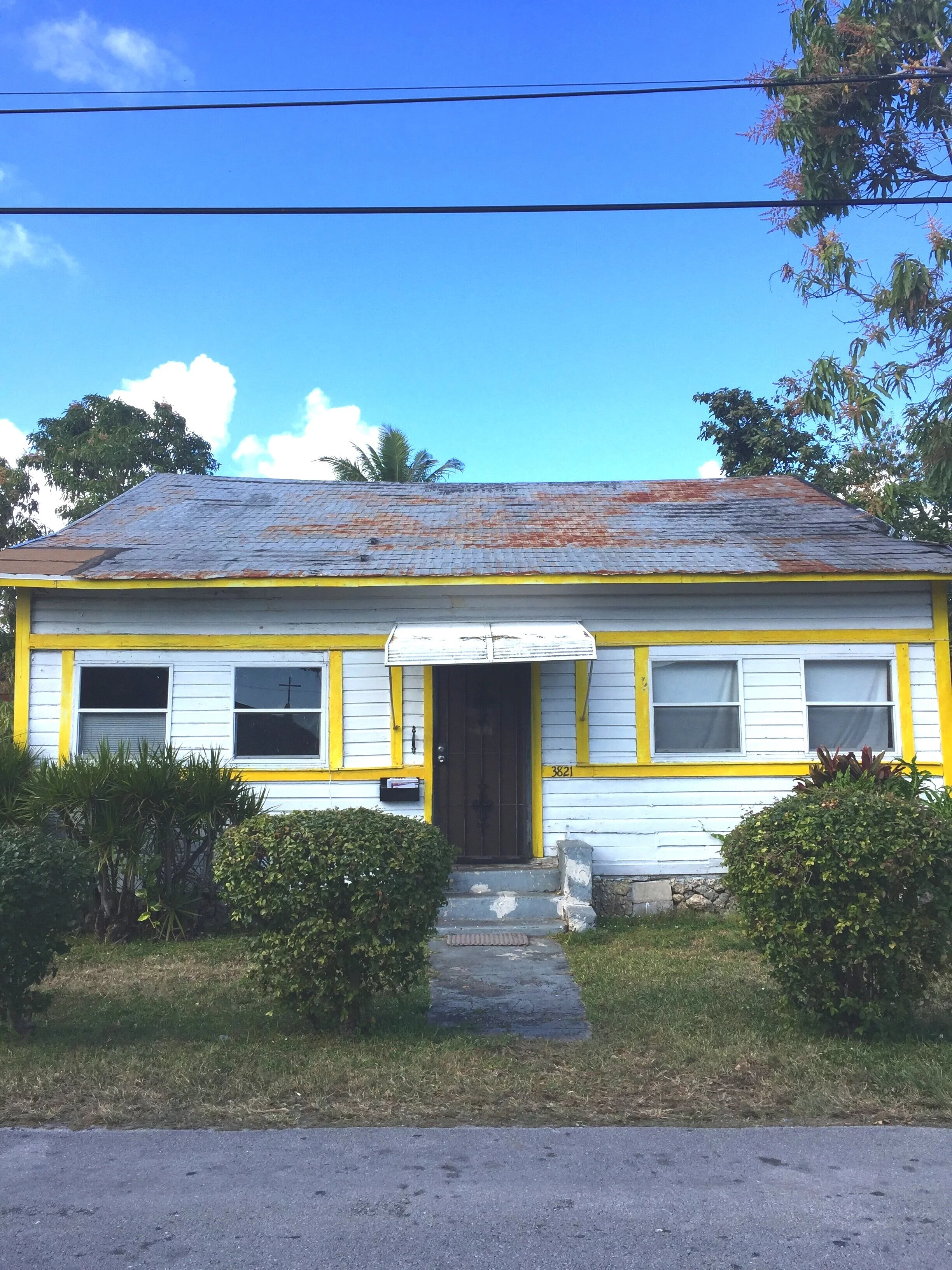
West Grove - Historic Resources Survey
West Coconut Grove, Miami, Florida
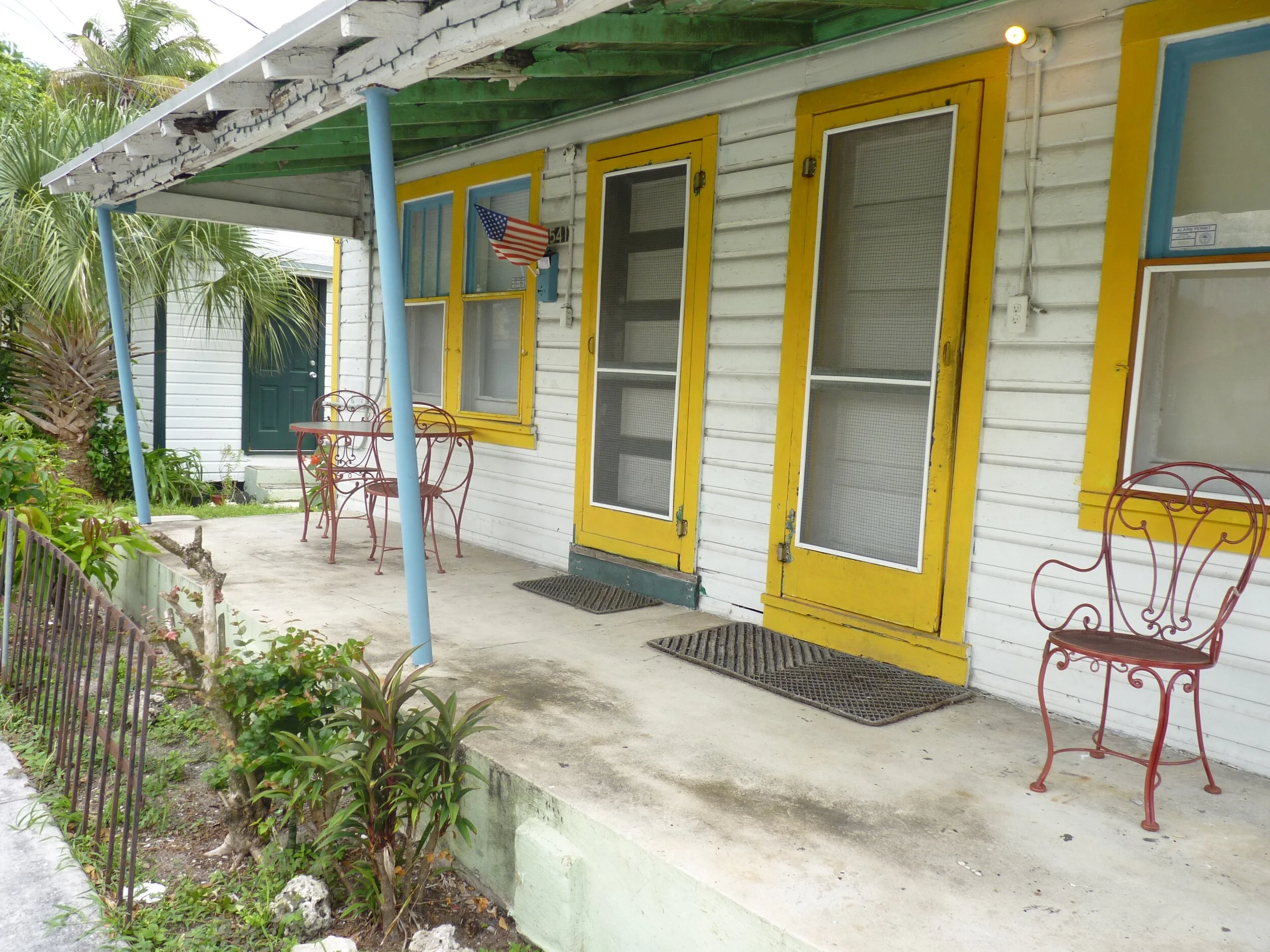
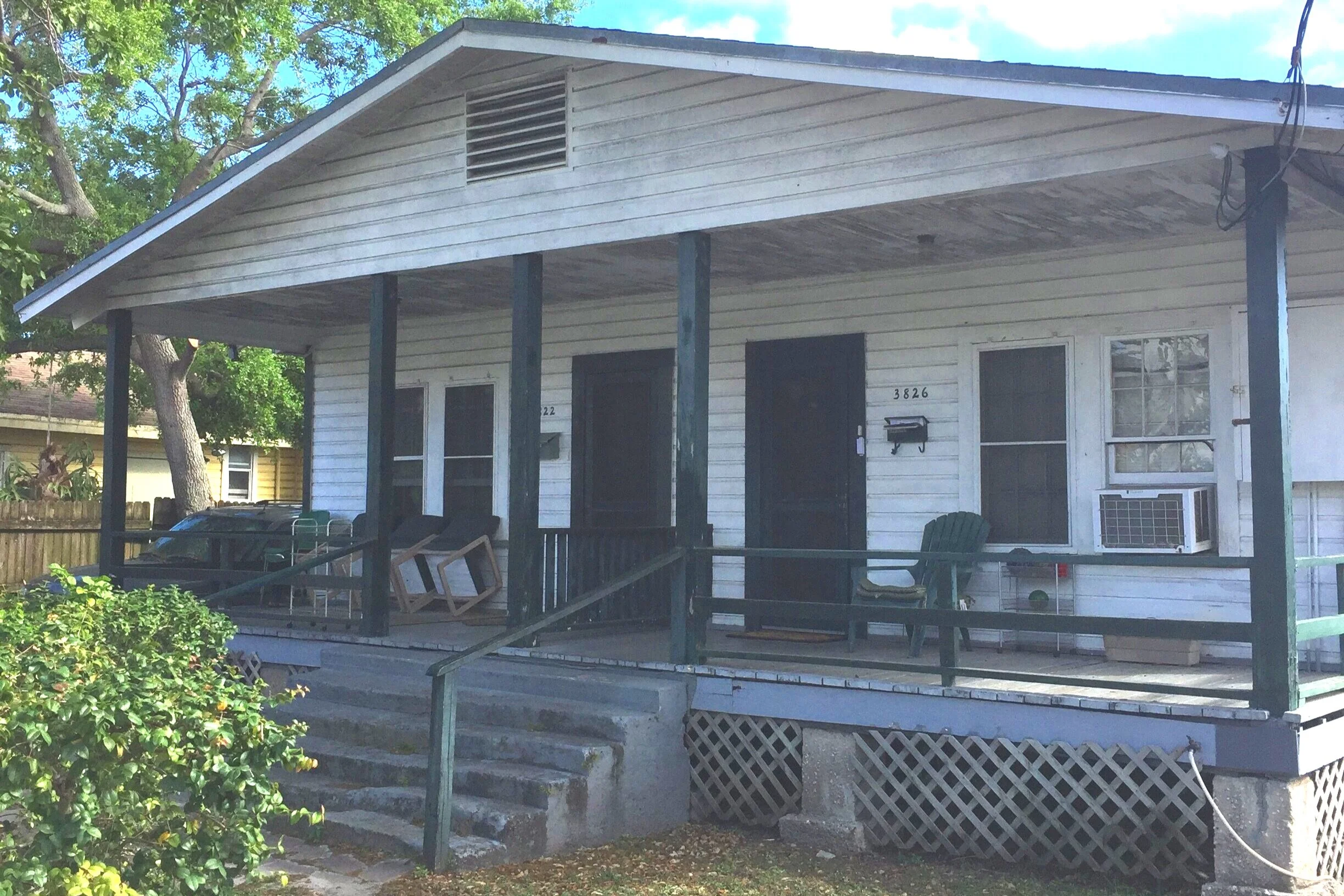
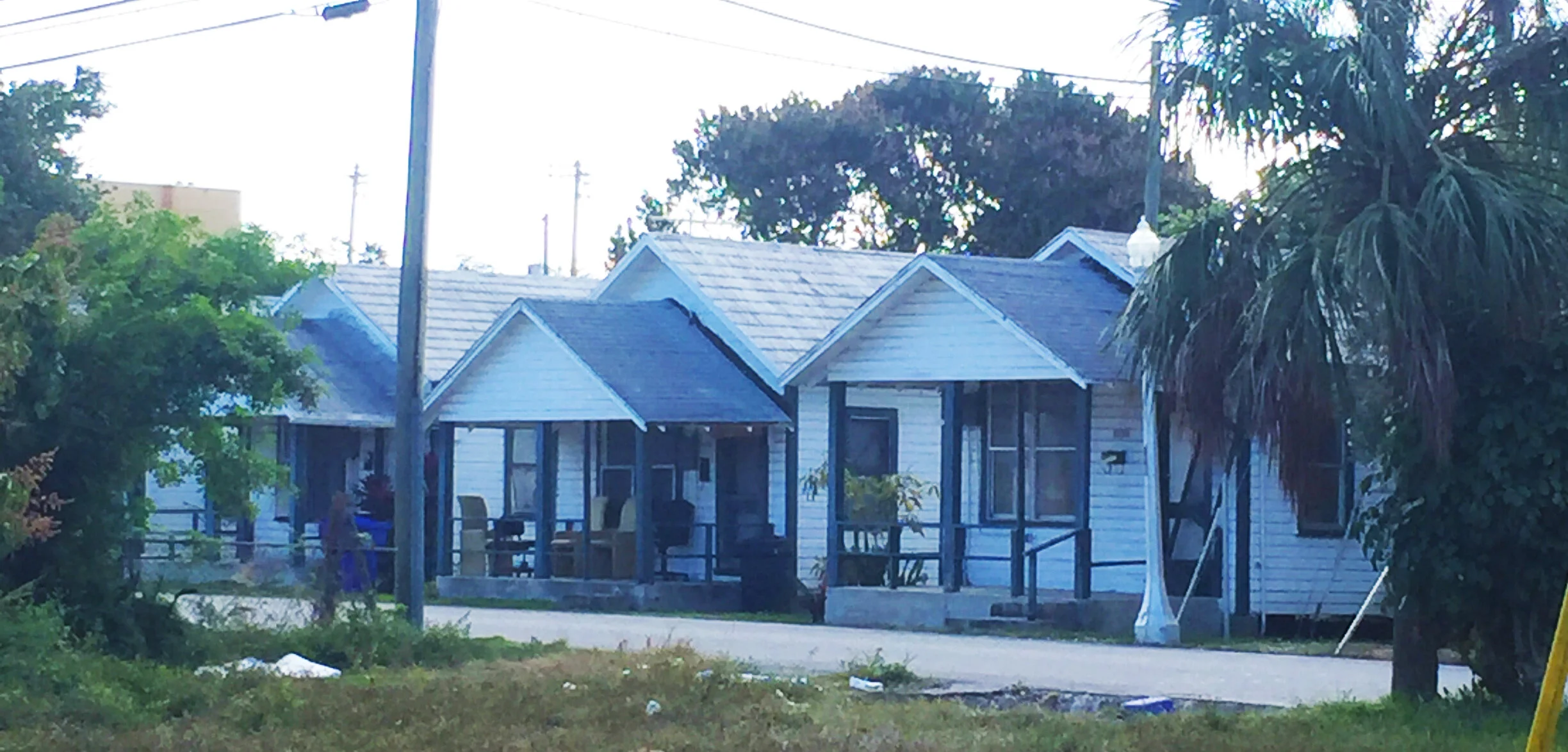
Coconut Grove is one of the largest continuous communities in Miami and the first black settlement in the city. It’s also home to a number of Shotgun houses, a style of wood frame vernacular home that reinforces the neighborhood’s unique identity—narrow, rectangular one-story structures built by the same community of Bahamian immigrants who have lived in Coconut Grove since its inception, over 140 years ago.
A distinctive vernacular architectural tradition in Key West and South Florida is the Bahamian, or “Conch,” house, introduced by Bahamian migrants who settled in the region during the nineteenth century. Adapted to tropical conditions, these structures were elevated on wood posts or stone piers to mitigate flooding and high winds and typically employed post-and-beam construction with mortise-and-tenon joinery. Characteristic features included two-story forms, wraparound or full-width porches, gable roofs, shutters, and ornamental detailing.
In Coconut Grove, this tradition was adapted to local economic conditions through the use of simplified balloon-frame construction and minimal ornamentation, resulting in more restrained expressions of the Conch vernacular. Also prevalent in Coconut Grove was the shotgun house, a narrow, linear dwelling type with origins in West African and Caribbean building traditions. Common throughout the post–Civil War American South, shotgun houses featured one-room-wide plans, steep front-gable roofs, full-width porches, and sequential interior rooms, reflecting both cultural continuity and economic necessity.

“We had to fight for the houses. I joined the fight because the property I acquired … has been in my family for over 100 years. My grandparents came from Eleuthera, Bahamas—they settled there and built that home. It has been [ours] from generation to generation.”
— Jacqueline Story, from National Trust for Historic Preservation article