
Historic Overtown Multiple Property Listing - National Register of Historic Places
Miami, Florida
The National Register listing is a ceremonial honor, which elevates the Historic Overtown Multiple Property Listing to a distinguished list of unique places worthy of national recognition. In addition to the 20% Federal Tax Credit, listing on the National Register has historically positively increased investment, property values and continued revitalization in a District. Contributing properties which complete qualifying restorations are eligible for significant economic benefits.
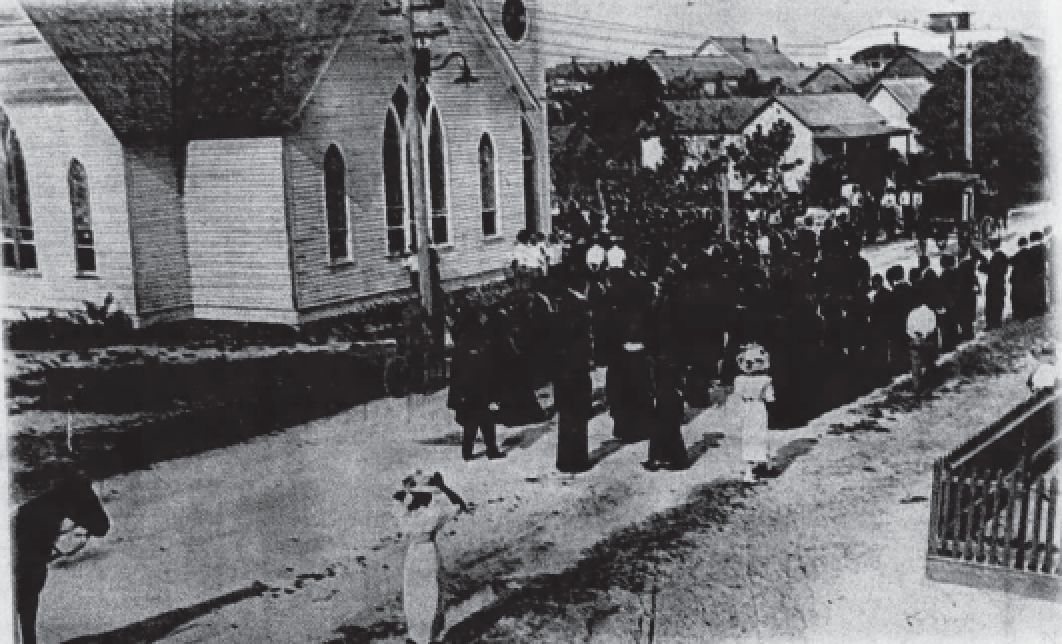
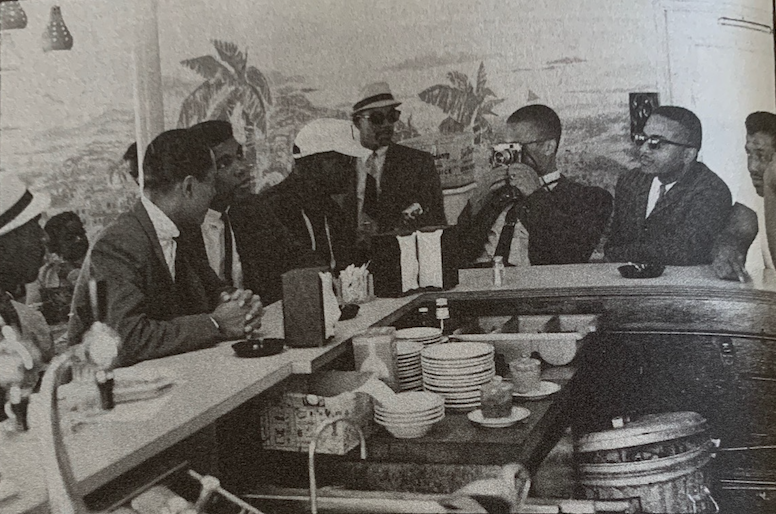
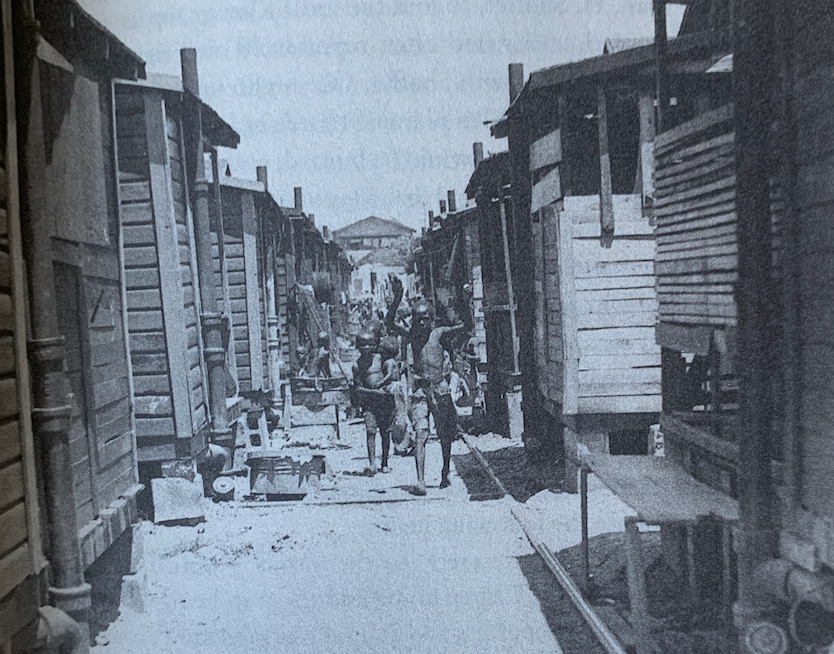
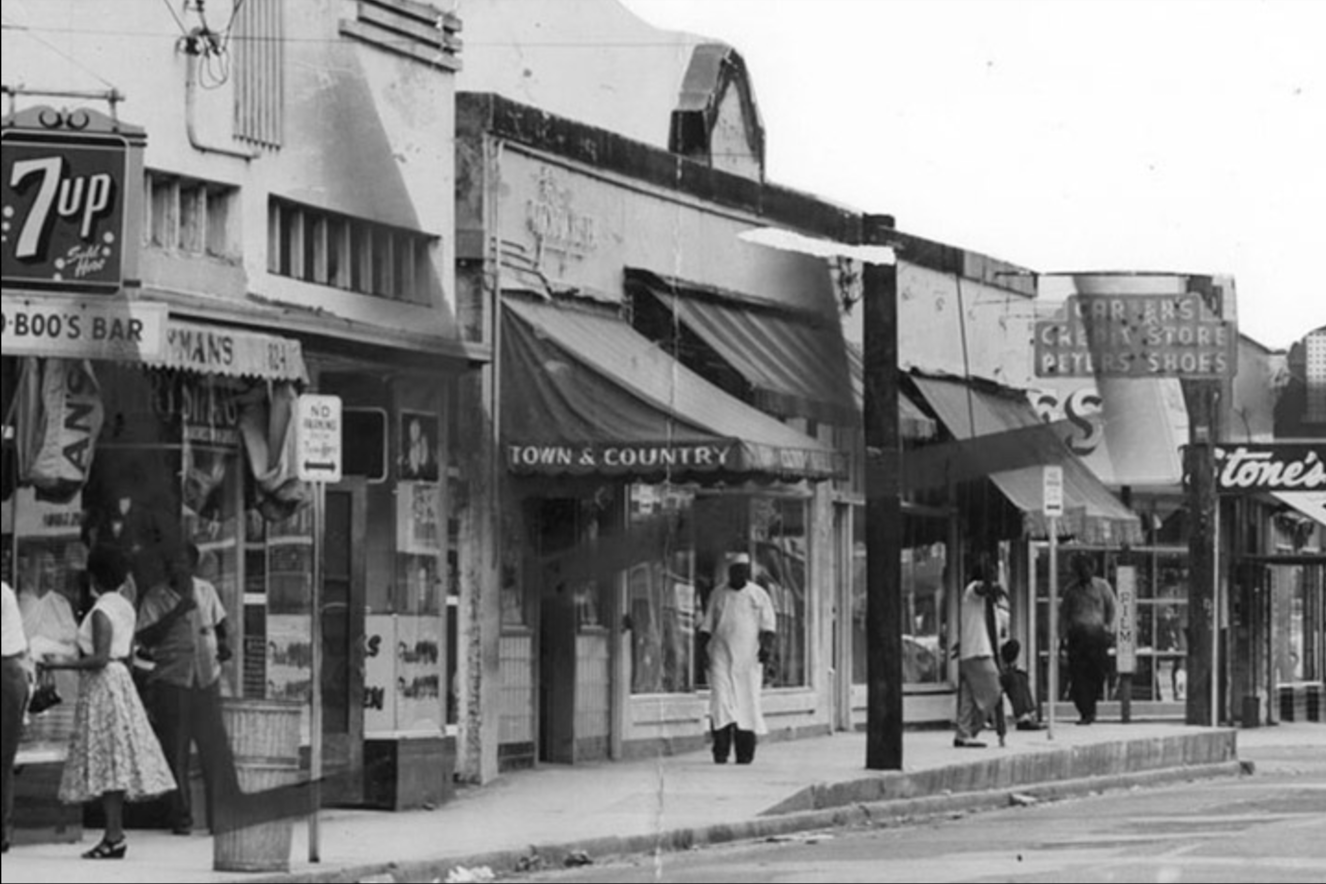
The buildings that comprise the Historic Overtown Multiple Property Listing reflect the rich and complex history of Miami’s formerly segregated “Colored Town,” from its origins as an early residential district for the laborers who built Henry Morrison Flagler’s developments and the incorporators of the City of Miami in 1896, through its emergence as a major center of African American commerce, culture, and entertainment in the mid-twentieth century. The Multiple Property Listing illustrates Overtown’s social and historical significance as a largely self-sufficient community, as evidenced by the diversity of architectural styles and building types that collectively convey the importance of one of Miami’s earliest Black communities. Architecturally, the Multiple Property Listing contains a distinctive collection of Frame Vernacular, Masonry Vernacular, Art Deco, Streamline Moderne, Mediterranean Revival, Gothic Revival, and Mid-Century Modern buildings, primarily constructed during the first half of the twentieth century. Together, these resources serve as a tangible testament to Miami’s evolving civic consciousness and its gradual progress away from segregation, while remaining a critically important link to the City’s social and cultural development. The Overtown Multiple Property Listing encompasses the core of the formerly segregated “Colored Town,” generally bounded by NW 20th Street to the north, the Florida East Coast Railway to the east, NW 5th Street to the south, and NW 5th Avenue to the west, including the historic Booker T. Washington High School campus. Buildings within the district are typically one to two stories in height, with notable exceptions such as the Lyric Theater and several churches that serve as prominent visual and cultural landmarks within the otherwise low-scale neighborhood. Most structures front directly onto the sidewalk, reinforcing a traditional urban streetscape, while institutional and religious buildings are generally set back within landscaped grounds that emphasize their civic importance. Street lighting consists primarily of standardized concrete and metal poles, with decorative cast-iron fixtures interspersed throughout the area.
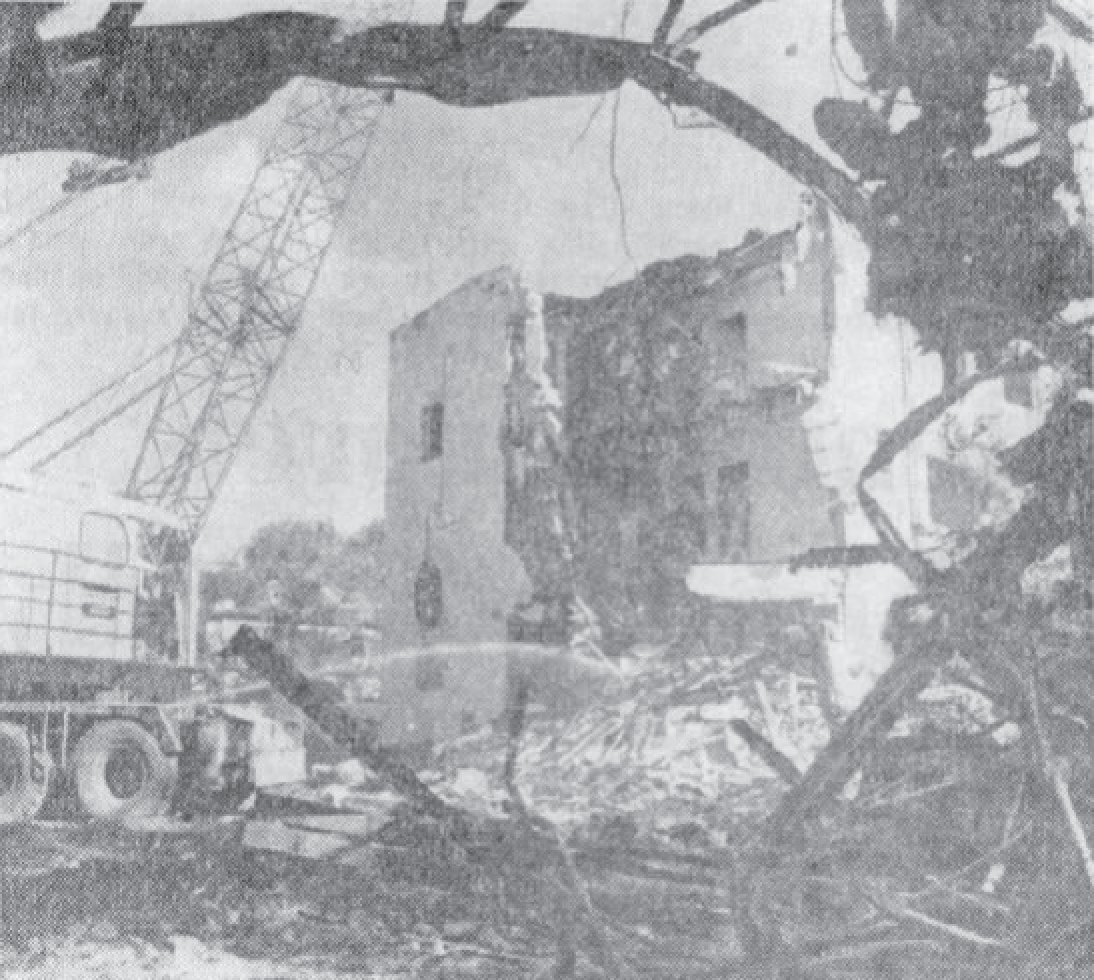
The buildings included in the Multiple Property Listing represent a wide range of uses and architectural styles, dating from the early twentieth century through the late 1960s. Despite its significance, Overtown experienced substantial loss and decline during the late twentieth century as a result of economic, political, and social forces beyond the control of its residents. In 1983, five structurally hazardous buildings—including the notable Mary Elizabeth Hotel, which hosted prominent figures such as Count Basie, Mary McLeod Bethune, and W.E.B. Du Bois during Overtown’s cultural peak—were demolished under an Urban Mass Transportation Administration grant (Figure 10).
Subsequent redevelopment initiatives, including the “Southeast Overtown/Park West Phase One” project, proposed the construction of seven new buildings comprising more than 1,000 middle-income apartments, 800 condominiums and townhouses, approximately 240,000 square feet of commercial space, two pedestrian malls, and a designated historic Overtown section across four sites between NW 10th and 6th Streets and between North Miami Avenue and NW 3rd Avenue, in anticipation of the Miami Arena. These initiatives further reshaped the historic fabric of the neighborhood, often at the expense of irreplaceable cultural resources tied to Black Miami’s history. Preservation efforts have been ongoing but uneven. The renovation of the Lyric Theater began in 1989 under the leadership of Dorothy Jenkins Fields, founder of the Black Archives History and Research Foundation, representing a major effort to preserve one of the most prominent landmarks of Overtown’s former “Little Broadway.” That same year, however, the Carver Hotel—once a renowned lodging place for entertainers and athletes ranging from Nat King Cole to Muhammad Ali—was demolished due to long-term neglect. In 1999, the Cola-Nip bottling plant, listed in the National Register of Historic Places, collapsed and was subsequently demolished.
Following years of research led by Dorothy Jenkins Fields and documentation prepared by Sara Eaton, the City of Miami’s historic preservation planner, the area between NW 8th and 10th Streets and NW 2nd and 3rd Avenues was identified as a framework for the proposed “Historic Overtown Folklife Village.” As Overtown evolved from a community of wooden shotgun houses into a vibrant, self-sustaining center of Black commerce, entertainment, and residential life, Miami simultaneously emerged as an internationally recognized destination. The properties included in the Historic Overtown Multiple Property Listing are therefore significant not only for their architectural merit, but also for their direct association with Miami’s growth as a major resort city and for the essential contributions of the City’s early Black citizens.