Historic Resources as Green Infrastructure - Resilient Miami
Miami-Dade County, Florida
A critical yet often overlooked aspect of planning initiatives and capital improvement projects is the potential for historic preservation to advance sustainable development. The Center for Resiliency & Sustainability (CRS) seeks to highlight historic resources as integral contributors to the triple bottom line—encompassing people, profit, and planet—by demonstrating how preservation can simultaneously promote social equity, economic resilience, and environmental sustainability.
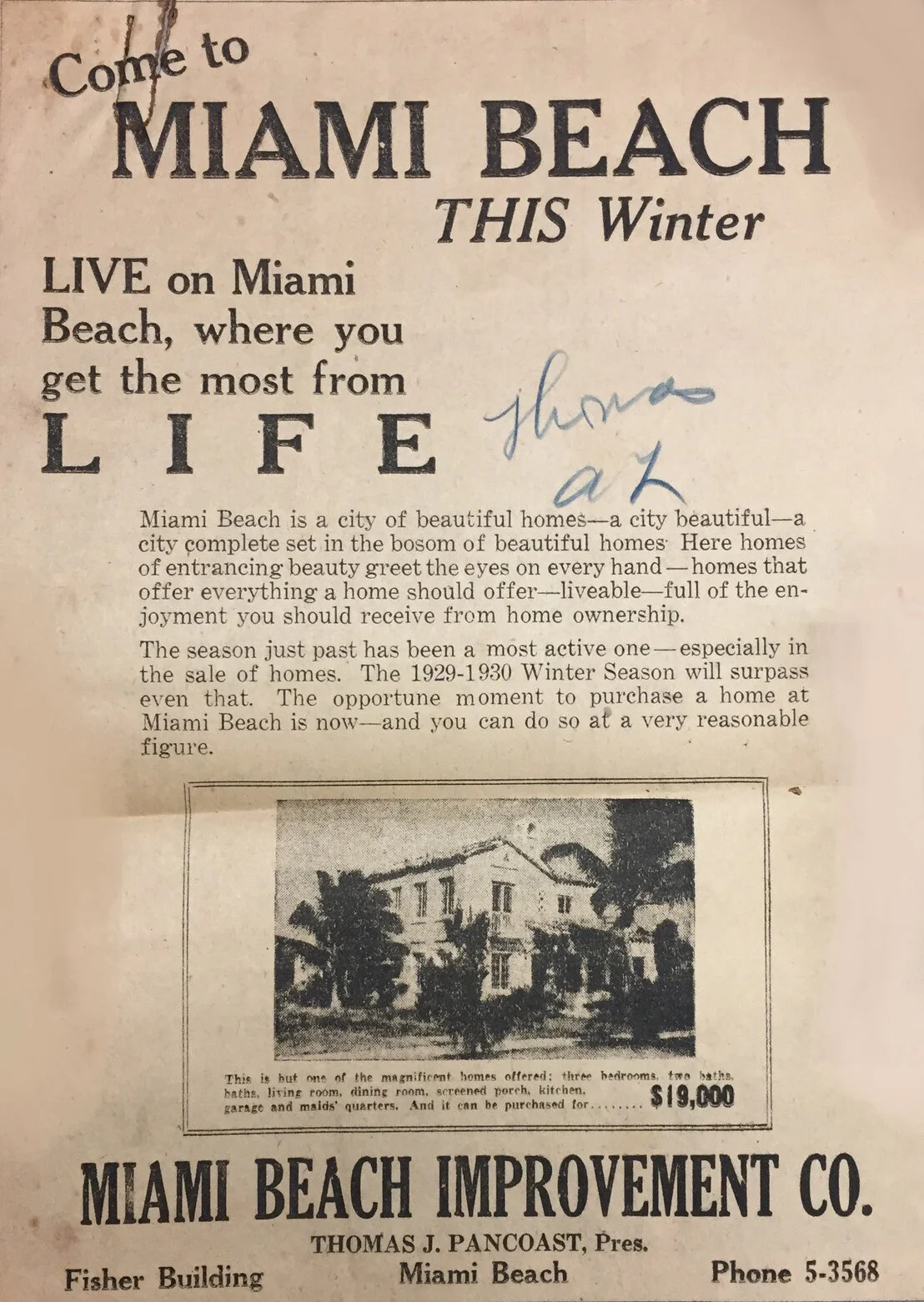
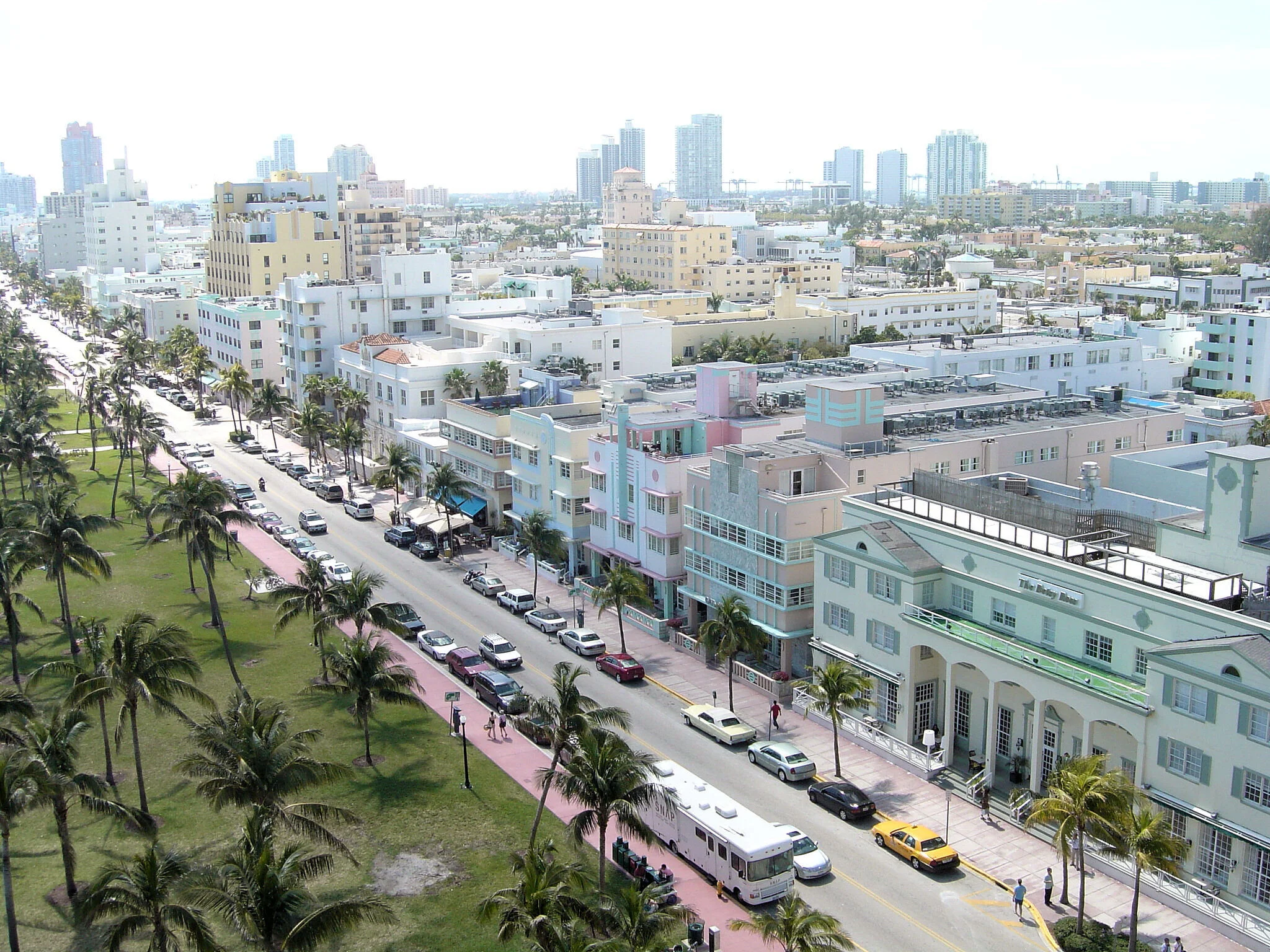
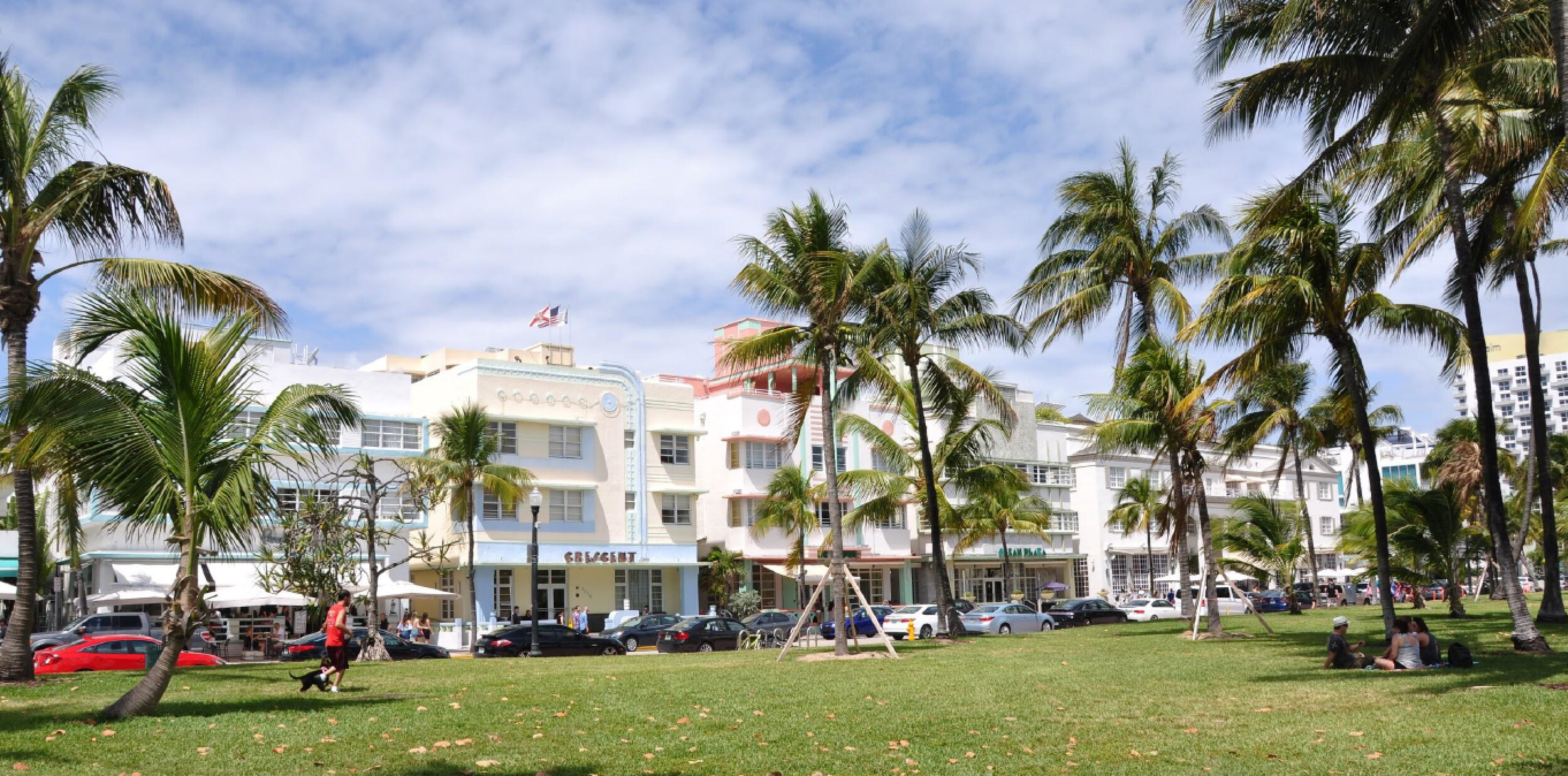
Miami Beach is home to a significant stock of historic resources, with up to 30% of buildings located within local historic districts, a figure that will increase with the addition of North Beach. This has implications for property tax revenue, tourism, adaptive reuse, and local employment, while offering a framework for sustainable development. Incorporated in 1915, Miami Beach is a barrier island composed of porous oolitic limestone, with a population of 92,312 (2015). Historic preservation regulations currently cover 29.81% of building stock and 25.02% of land area, and federal tax credits between 1987 and 2010 supported projects exceeding $551 million in total cost, with a value of over $110 million. The city’s tourism-dependent economy employs 44% of residents in hospitality, generating $1.6 billion in sales revenue from accommodations and food services (2008).
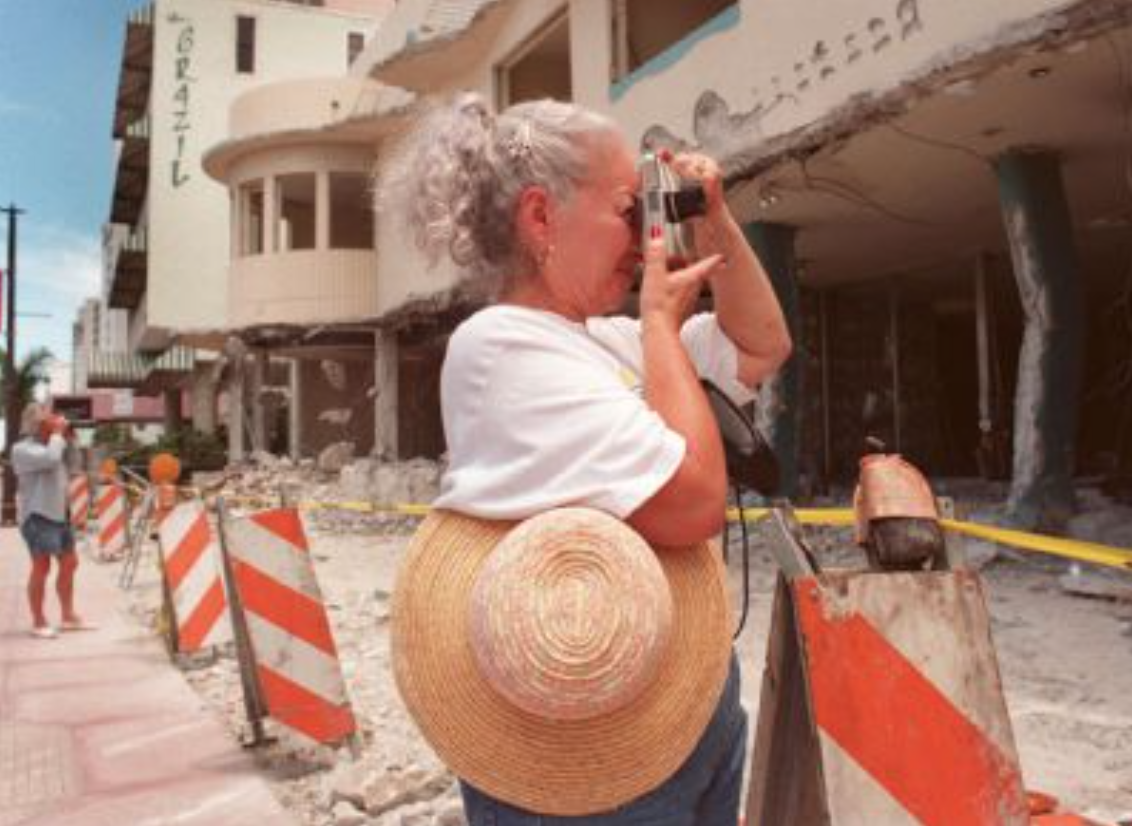
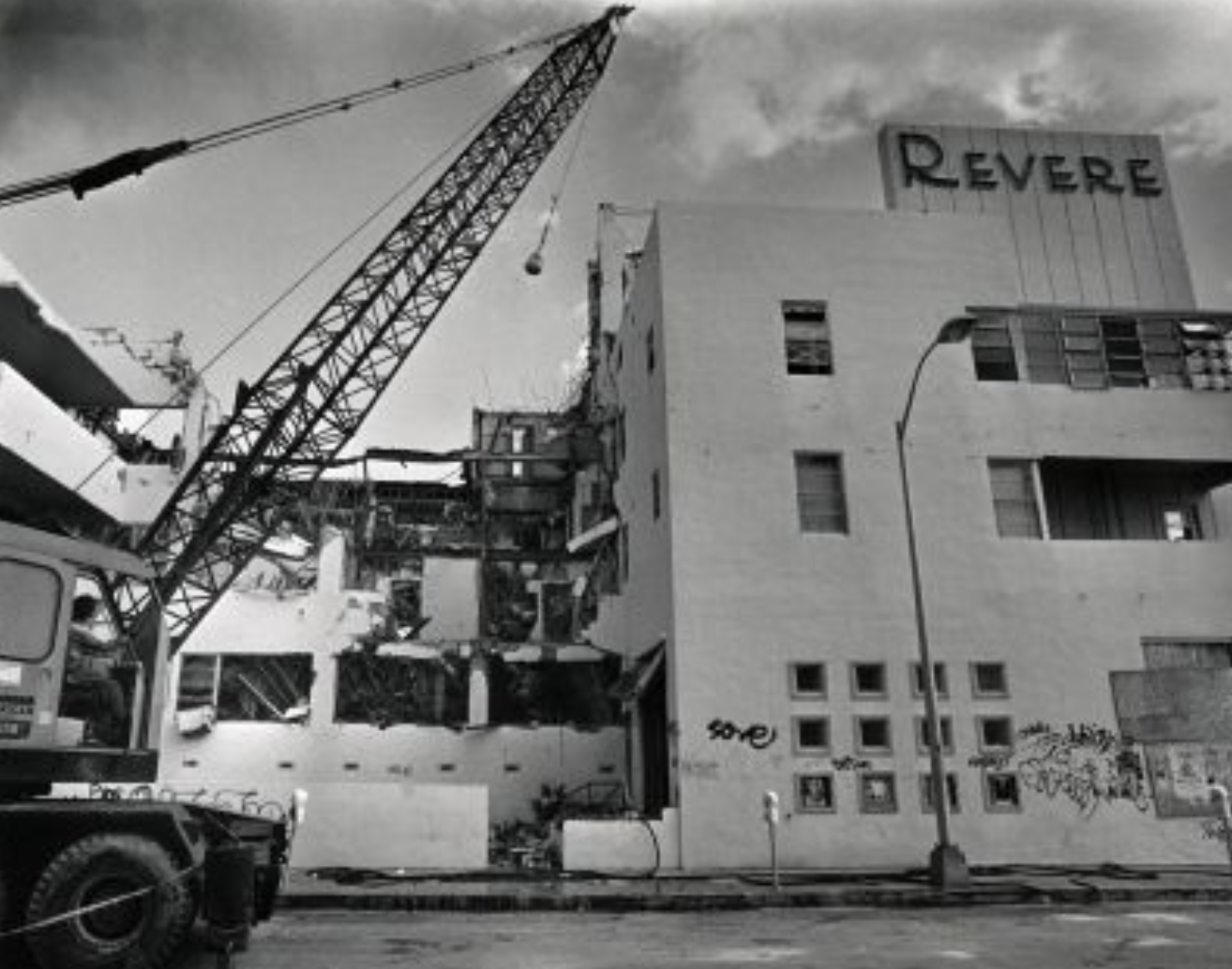
The Miami Design Preservation League (MDPL), founded in 1976 by Barbara Baer Capitman and colleagues, has long recognized the intersection of architectural, cultural, social, and environmental integrity. Its mission, now advanced through the Center for Resiliency & Sustainability (CRS) launched in 2017, emphasizes the integration of historic preservation with resilience and sustainability education, advocacy, and research. Historic preservation in Miami Beach has deep roots in the broader conservation movement, shaped by legislation such as the Antiquities Act of 1906 and the National Historic Preservation Act of 1966.
Sea-level rise presents a critical challenge, with projections indicating that over 28% of historic resources may be affected by 2050, and more than 20% of resources within the Art Deco Historic District vulnerable at a two-foot rise. Adopting a Life Cycle Assessment (LCA) framework highlights the sustainability benefits of adaptive reuse over new construction, preserving embodied energy and reducing operational energy consumption. Research demonstrates that the greenest buildings are often those already built, with energy savings ranging from 4–46% and new construction potentially taking decades to offset initial environmental impacts.
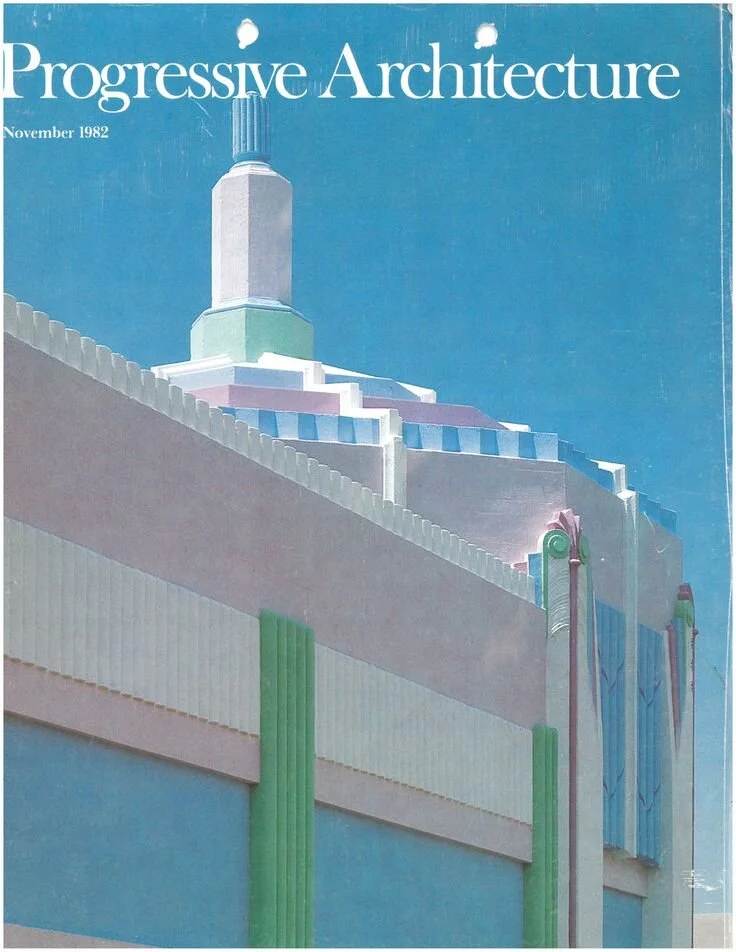
Miami Beach has demonstrated historic resilience, from rebuilding after the 1926 hurricane to reinventing itself as an Art Deco and cultural destination in the late 20th century, culminating in events such as Art Basel Miami Beach. Through historic preservation, the city has maintained architectural and cultural integrity while supporting economic and social vitality. Looking forward, integrating preservation with sustainability initiatives is essential for balancing existing resources with future development, positioning Miami Beach as a model for resilient and environmentally responsible urban growth.