Downtown Miami - Historic Entitlements Research
Miami, Florida
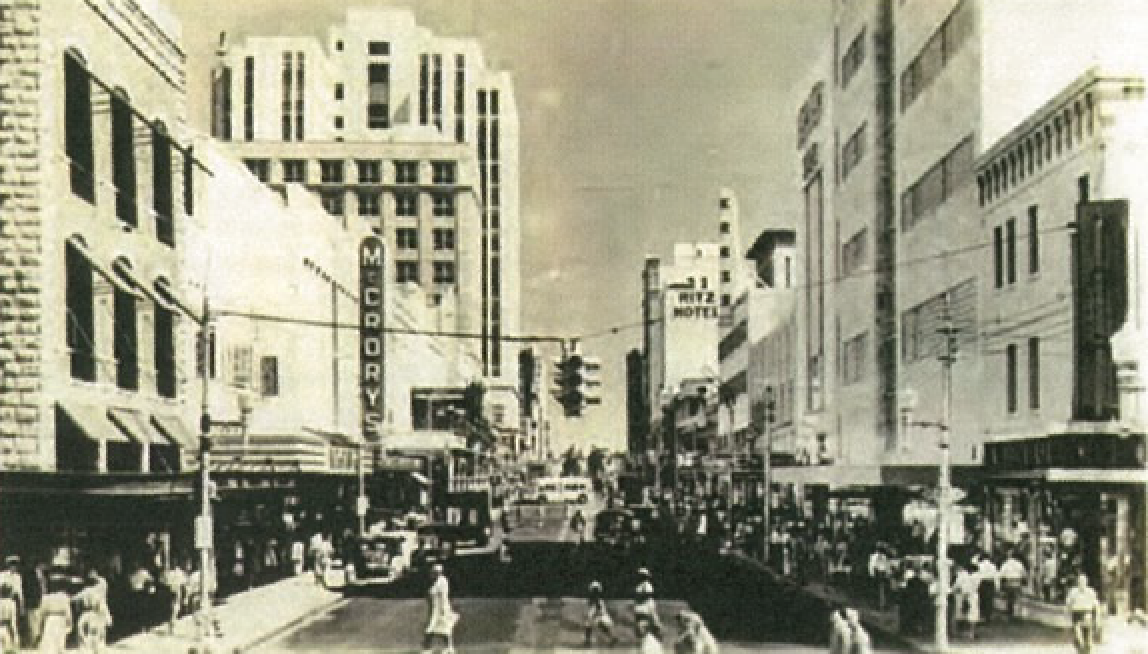
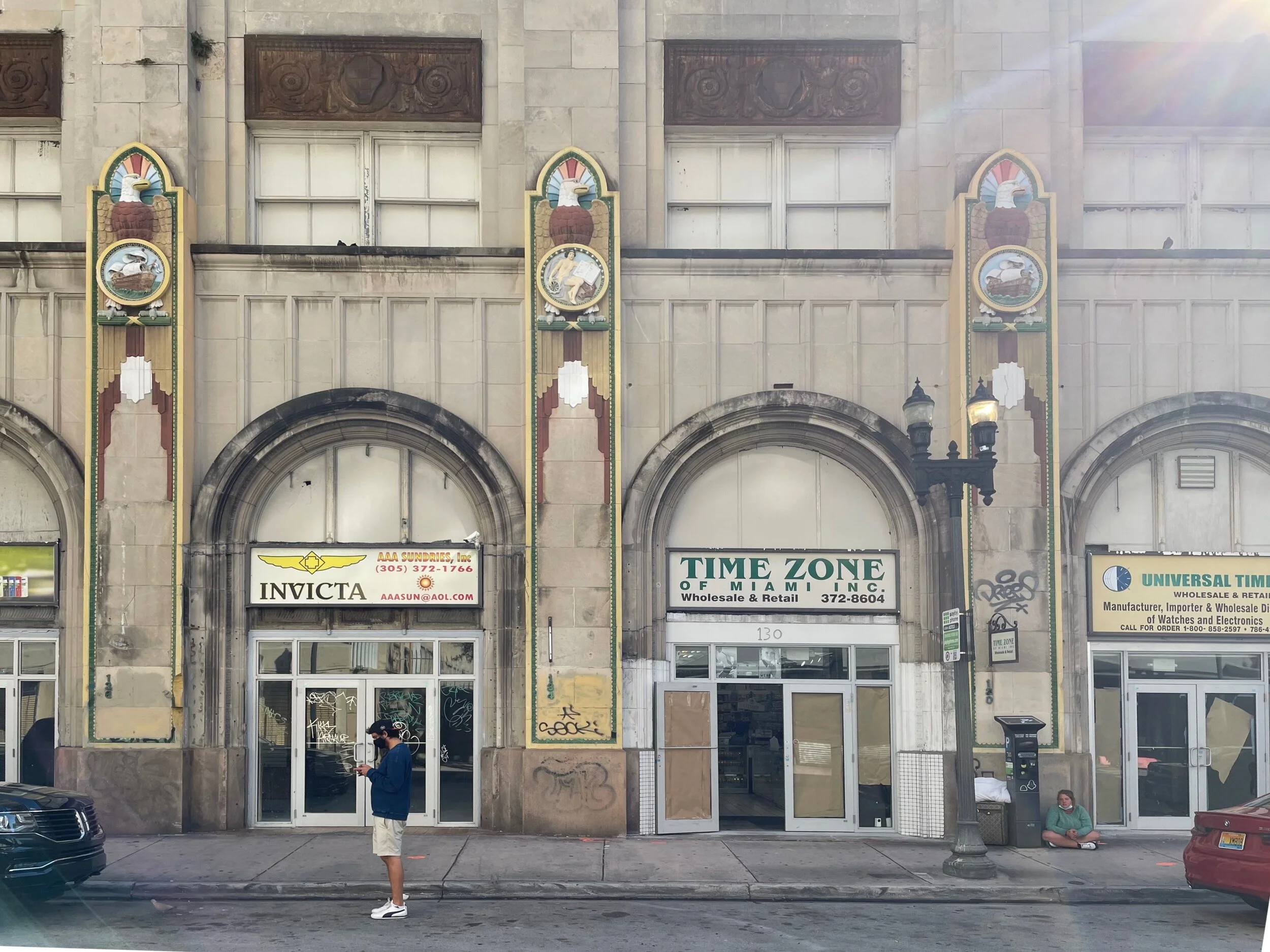
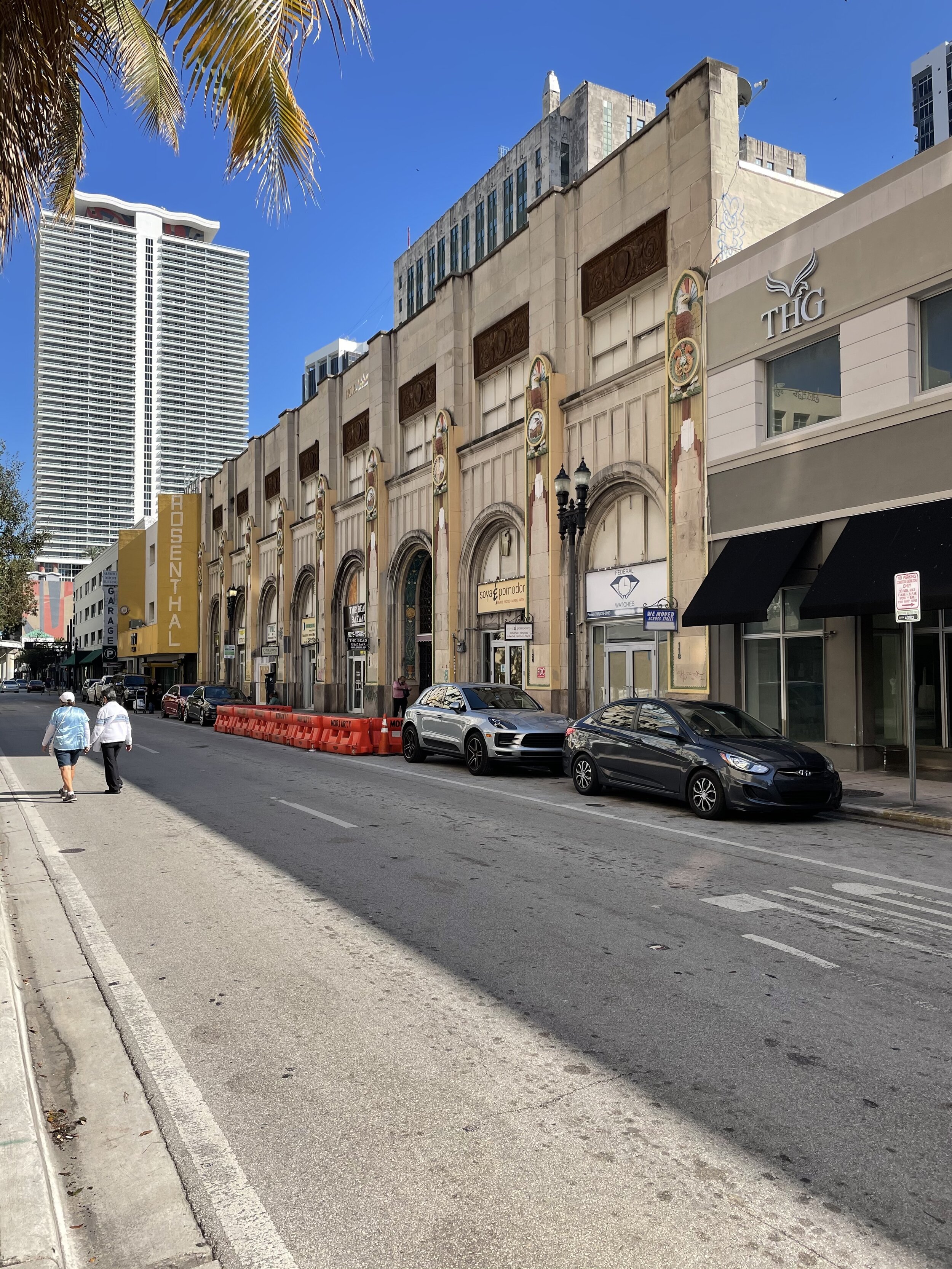
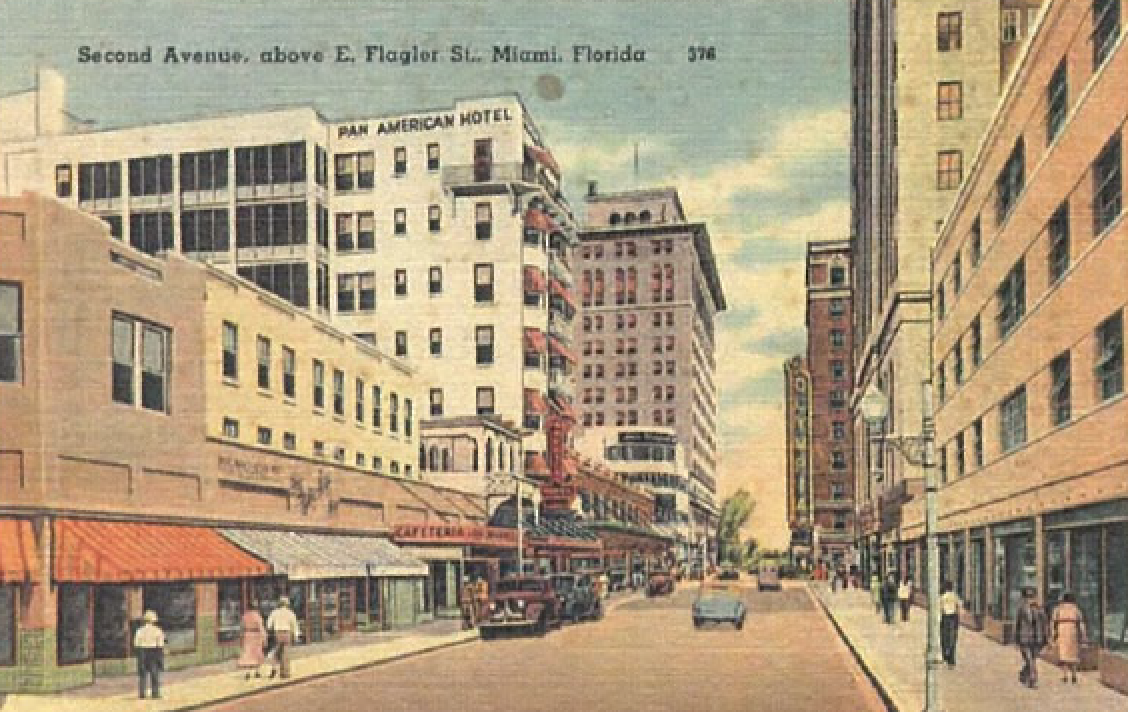
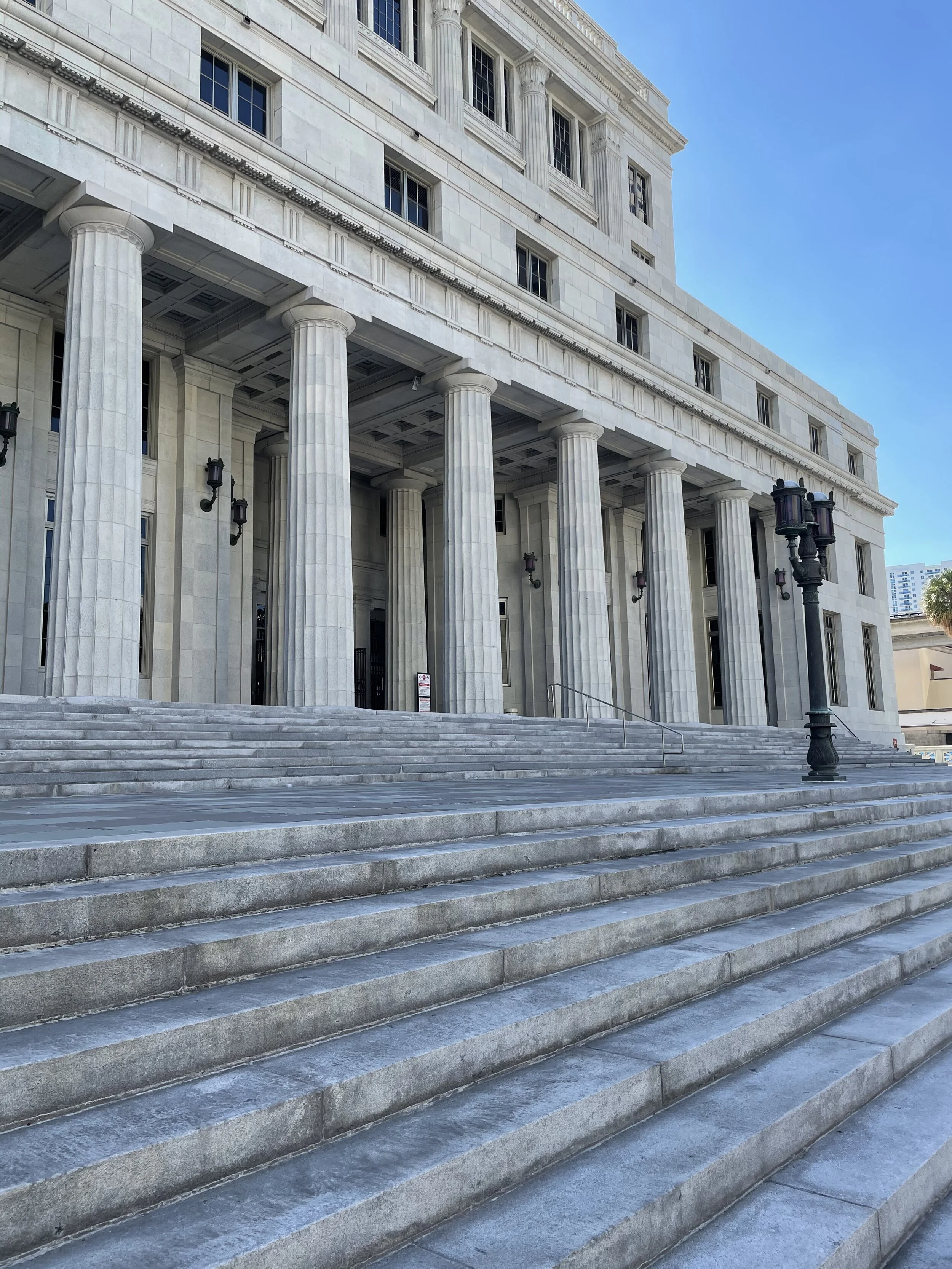
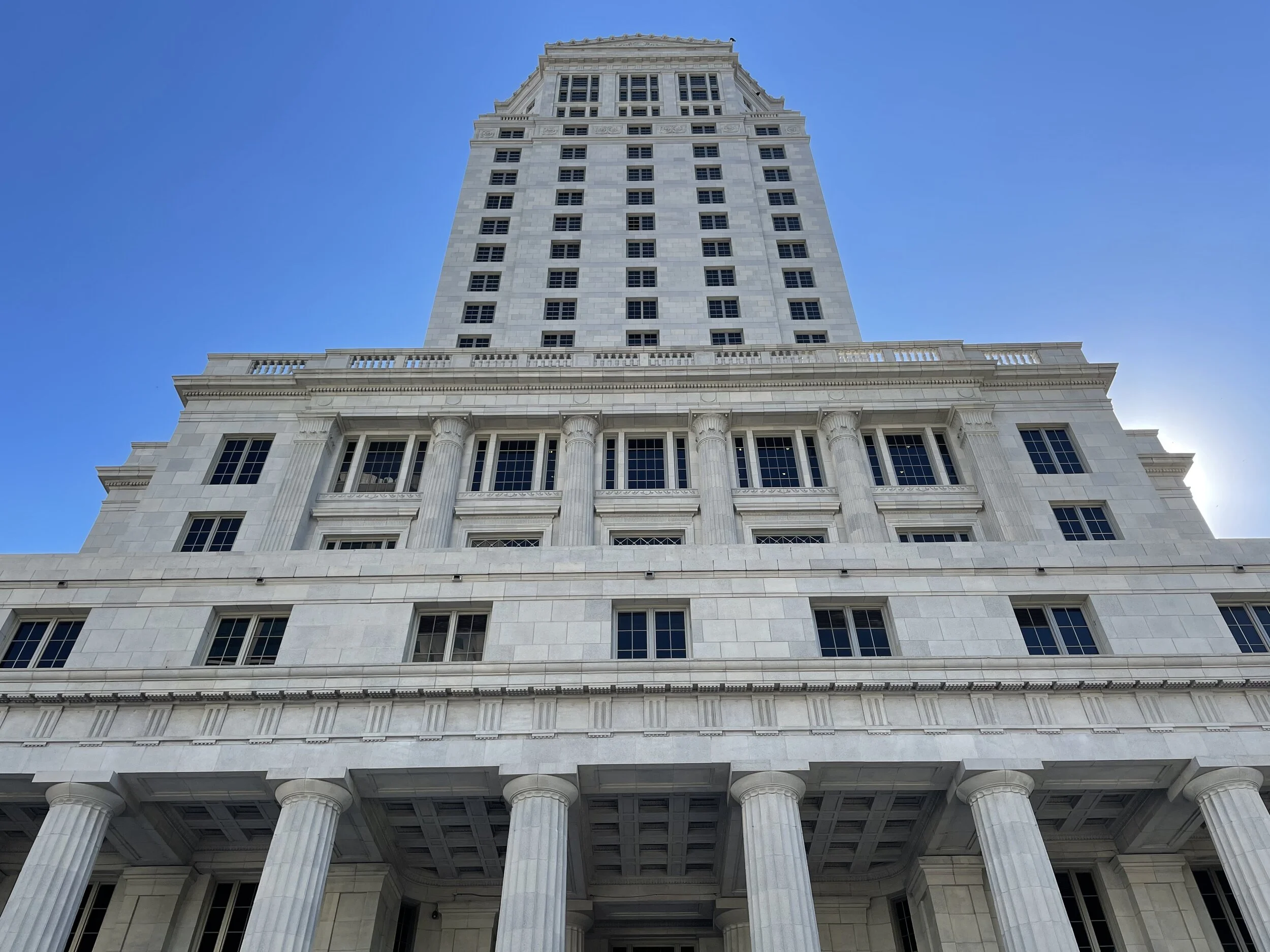
The Downtown Miami Multiple Resource Area encompasses commercial, governmental, religious, institutional, and residential buildings that document the city’s growth from the pioneer era through the 1920s boom to World War II. Architectural styles include vernacular, Mediterranean Revival, Neo-Classical, Art Deco, and Moderne. Contributing properties may be eligible for Federal Historic Tax Credits as well as City of Miami entitlements such as Transfer of Development Rights (TDRs) and Transfer of Development Density (TDDs).
Historic preservation provides a sense of place, protects and enhances property values, and supports sustainability and resiliency objectives. Recognized as public goods, historic resources can receive fiscal incentives to offset costs to property owners. Listed on the National Register of Historic Places in 1988, the district is bounded by 20th Street to the north, the FEC right-of-way, I-95, and the Miami River to the west, 15th Road to the south, and Biscayne Bay to the east. These boundaries include the historic downtown core and adjacent areas functionally linked to the city center.
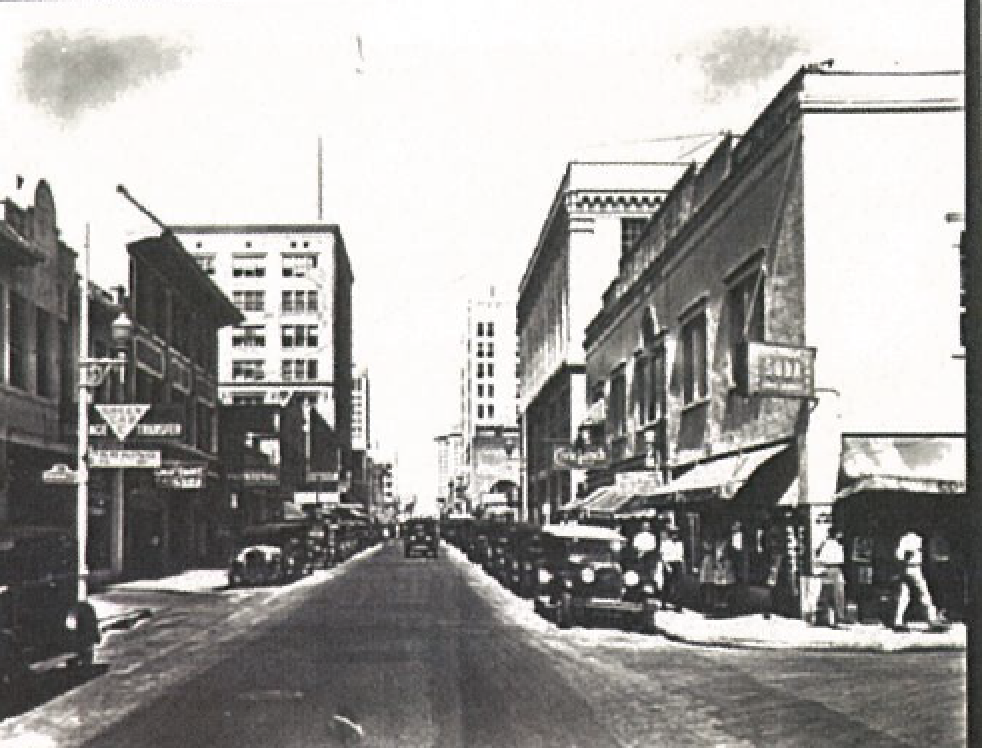
Miami’s historic resources reflect the rapid transformation from a frontier settlement to a major metropolitan and resort city in the twentieth century. Commercial, institutional, and residential buildings within the district represent key periods of development and continue to signify the city’s cultural and economic evolution.